Dental Crowns vs. Fillings: What's the Difference?
Crowns and fillings both restore damaged teeth, but they serve different purposes. Here's how to understand the difference.
Understanding the Basic Difference
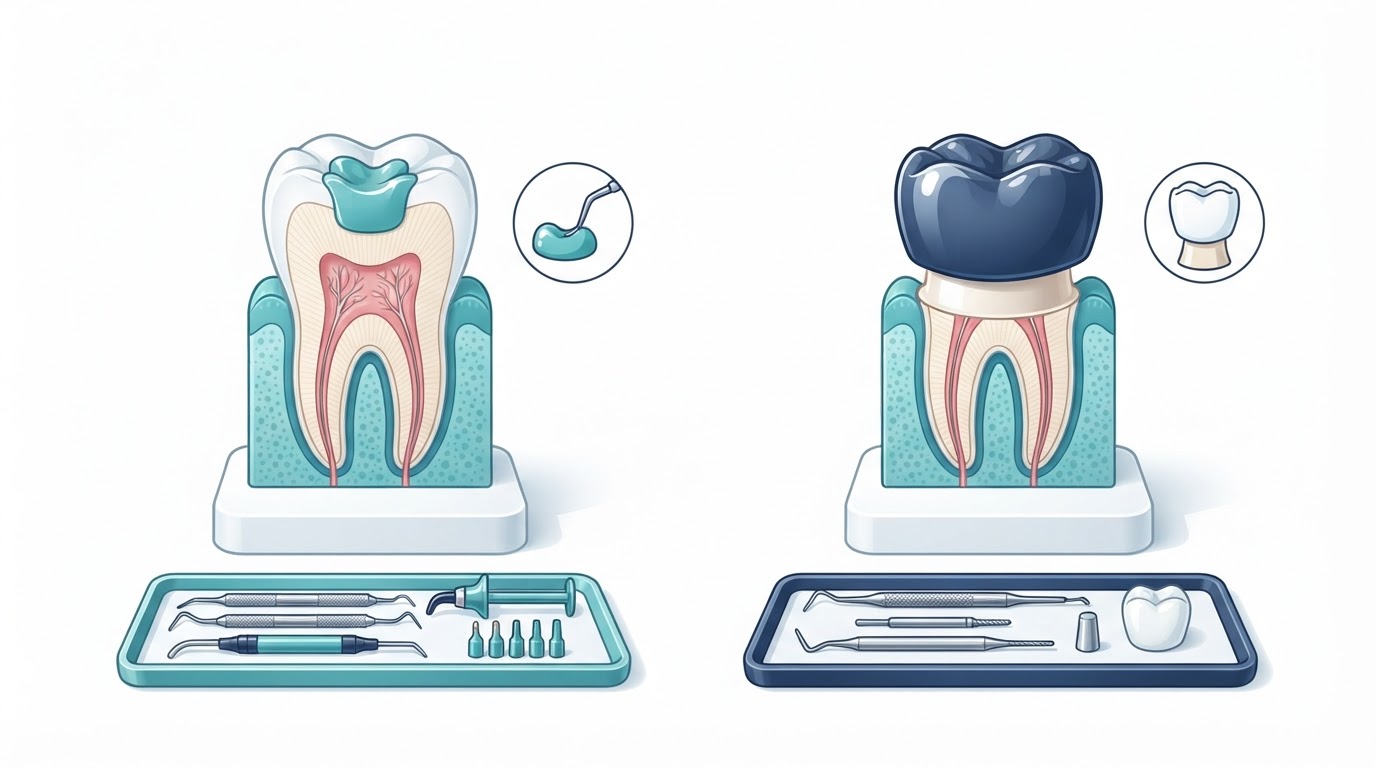
Dental crowns and fillings are two of the most common restorative treatments, and while both are used to repair damaged or decayed teeth, they serve different purposes. A filling is generally used to repair a smaller area of decay or minor damage, while a crown covers the entire visible portion of a tooth to provide broader structural support.
Understanding the difference can help you have a more informed conversation with your dentist about which option may be appropriate for your tooth.
When a Filling May Be Appropriate
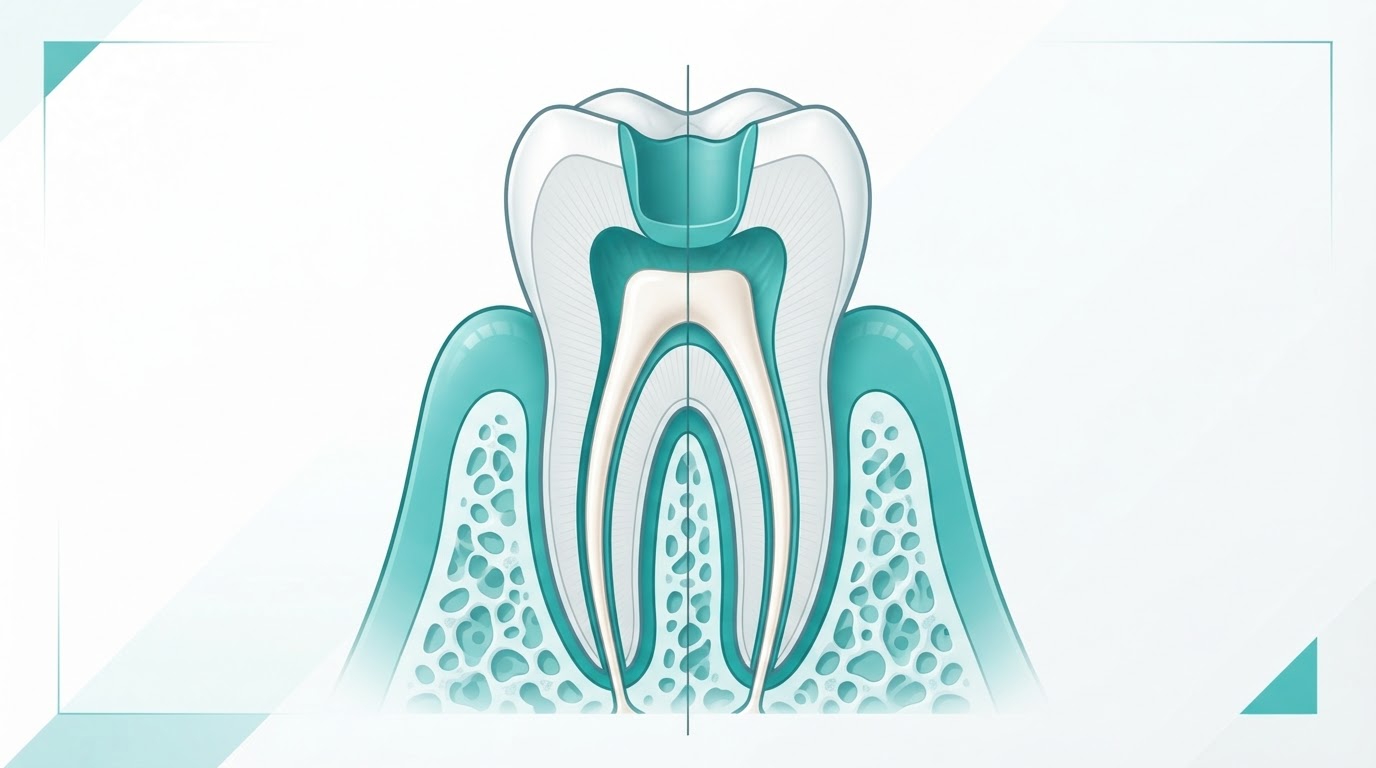
A filling is typically considered when a cavity is relatively small and the surrounding tooth structure is still strong enough to support normal chewing. After the decayed portion is removed, a filling material is placed to restore the tooth's surface.
Fillings are generally completed in a single visit and are one of the most frequently performed dental procedures.
When a Crown May Be Considered
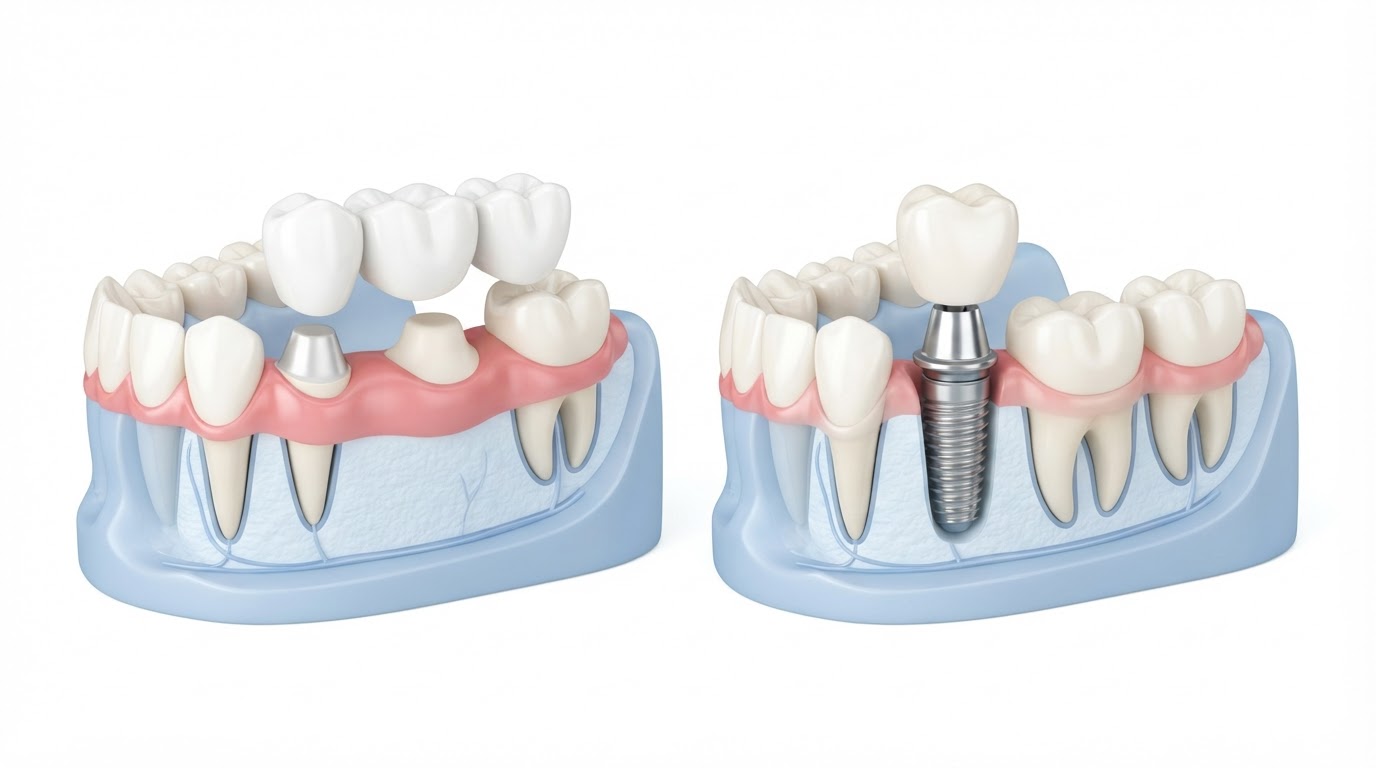
A crown may be recommended when a tooth is significantly weakened — for example, from a large filling, a crack, or a fracture — and a filling alone would not provide enough support. A crown is also commonly placed after root canal treatment to help protect the tooth.
Because a crown covers the entire tooth, it is designed to restore strength, shape, and appearance in situations where a filling would be insufficient.
How Your Dentist Decides
The choice between a filling and a crown depends on factors such as the extent of decay or damage, the amount of remaining healthy tooth structure, and the forces the tooth experiences during chewing. Your dentist will examine the tooth and review any relevant x-rays before making a recommendation.
After evaluating your tooth, your dentist can explain whether a filling, a crown, or another treatment may be most appropriate for your situation.
Learn more about this treatment
Dental CrownsWebsite information is provided for general educational purposes and is not a substitute for examination, diagnosis, or individualized advice from a licensed dental professional.