What to Expect When Getting a Dental Implant
Understanding the stages of dental implant treatment can help you feel prepared. Here's a plain-language overview.
What Is a Dental Implant?
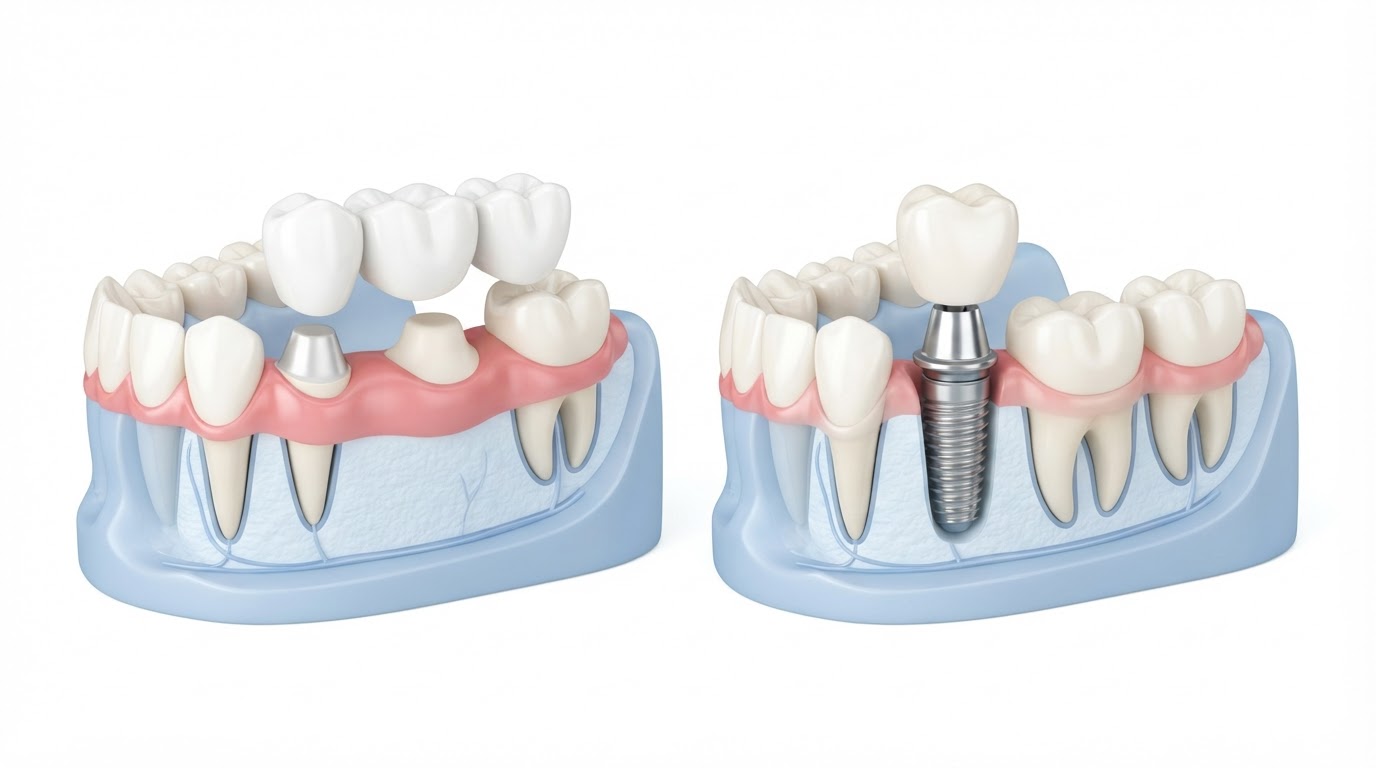
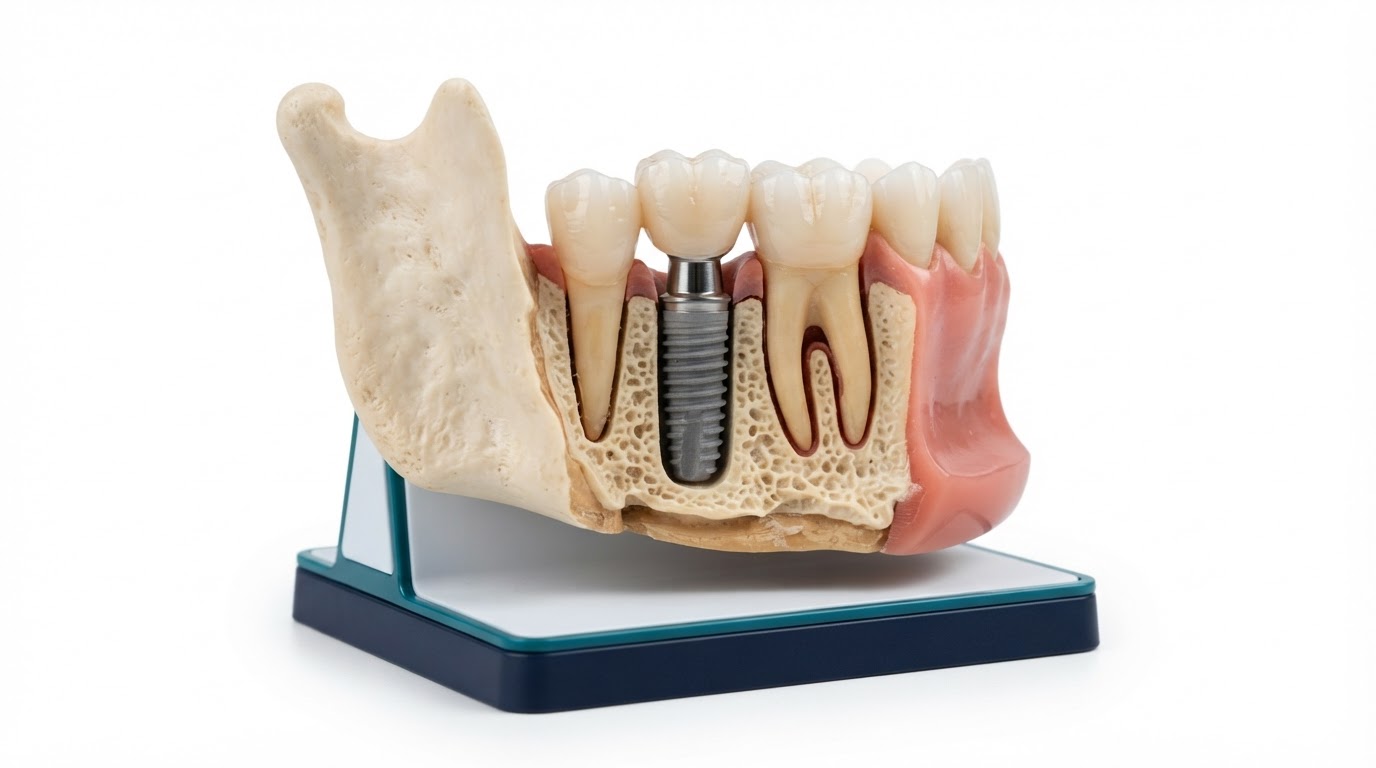
A dental implant is a small post, typically made of titanium, that is placed in the jawbone to serve as an artificial tooth root. Once it has healed and integrated with the bone, it can support a crown, bridge, or denture to replace one or more missing teeth.
Understanding the stages of implant treatment can help you feel more prepared if your dentist recommends it as an option.
Step 1: Evaluation and Planning
Before an implant is placed, your dentist will evaluate your teeth, gums, and jawbone. This typically involves an examination and imaging to assess whether there is enough bone to support an implant and whether any preliminary procedures, such as a bone graft, may be needed.
Not everyone is a candidate for dental implants. An evaluation is needed to determine whether implants are appropriate for you.
Step 2: Implant Placement
If implants are appropriate, the next step is the surgical placement of the titanium implant into the jaw bone. This is typically done with local anesthetic to help keep you comfortable.
After placement, a healing period begins during which the implant integrates with the surrounding bone.
Step 3: Healing and Integration
The healing period allows the implant to fuse with the jawbone, creating a stable foundation for the replacement tooth. This process typically takes several months, and the exact timeline varies based on individual factors.
During this time, your dentist will monitor your progress and let you know when the area is ready for the next step.
Step 4: Restoring the Implant
Once the implant has integrated, a crown, bridge, or denture is attached to restore the appearance and function of the missing tooth or teeth. The restoration is custom-made to blend with your natural smile.
Your dentist will adjust the restoration so that your bite feels comfortable.
A Note on Outcomes
Dental implants are a widely used tooth-replacement option, but individual results vary and no specific success rate or outcome can be guaranteed. Factors such as oral hygiene, bone health, and following your dentist's recommendations influence outcomes.
If you are considering a dental implant, schedule an evaluation to discuss whether it may be appropriate for your situation.
Learn more about this treatment
Dental ImplantsWebsite information is provided for general educational purposes and is not a substitute for examination, diagnosis, or individualized advice from a licensed dental professional.